
Influencing the Influencers
KSC engages health professionals to combat misinformation in food and farming.
“I am so proud to be a Kansan and I want to support my farmers,” says Jennifer, a dietetics master’s student from K-State. “I want my clients to feel that same way. This tour gave me a great sense of pride in our local communities and the systems that protect our food quality.”
As shown by this student’s deep sense of loyalty and appreciation, research tells us shared values are 3–5 times more important than facts in building trust. The Kansas Soybean Commission, Kansas Pork Association and Kansas Farm Bureau worked to build trust with 27 future dietitians from K-State and KU to farms on an annual agriculture immersion tour.
On the long list of things farmers can’t control, one of the most frustrating is public opinion. As more of the population grows up separated from the farm, it’s easier for misinformation to spread. With two dietetics programs in the state, KSC recognized an opportunity to engage a small group of people who will each influence thousands of diets in their career.
“Every one of these students is going into dietetics because they want to create positive change,” says Jancey Hall, KSC director of programs and outreach. “For some, it’s out of personal experience with chronic disease or food insecurity. They’re eager to learn because they care about food and know it matters.”
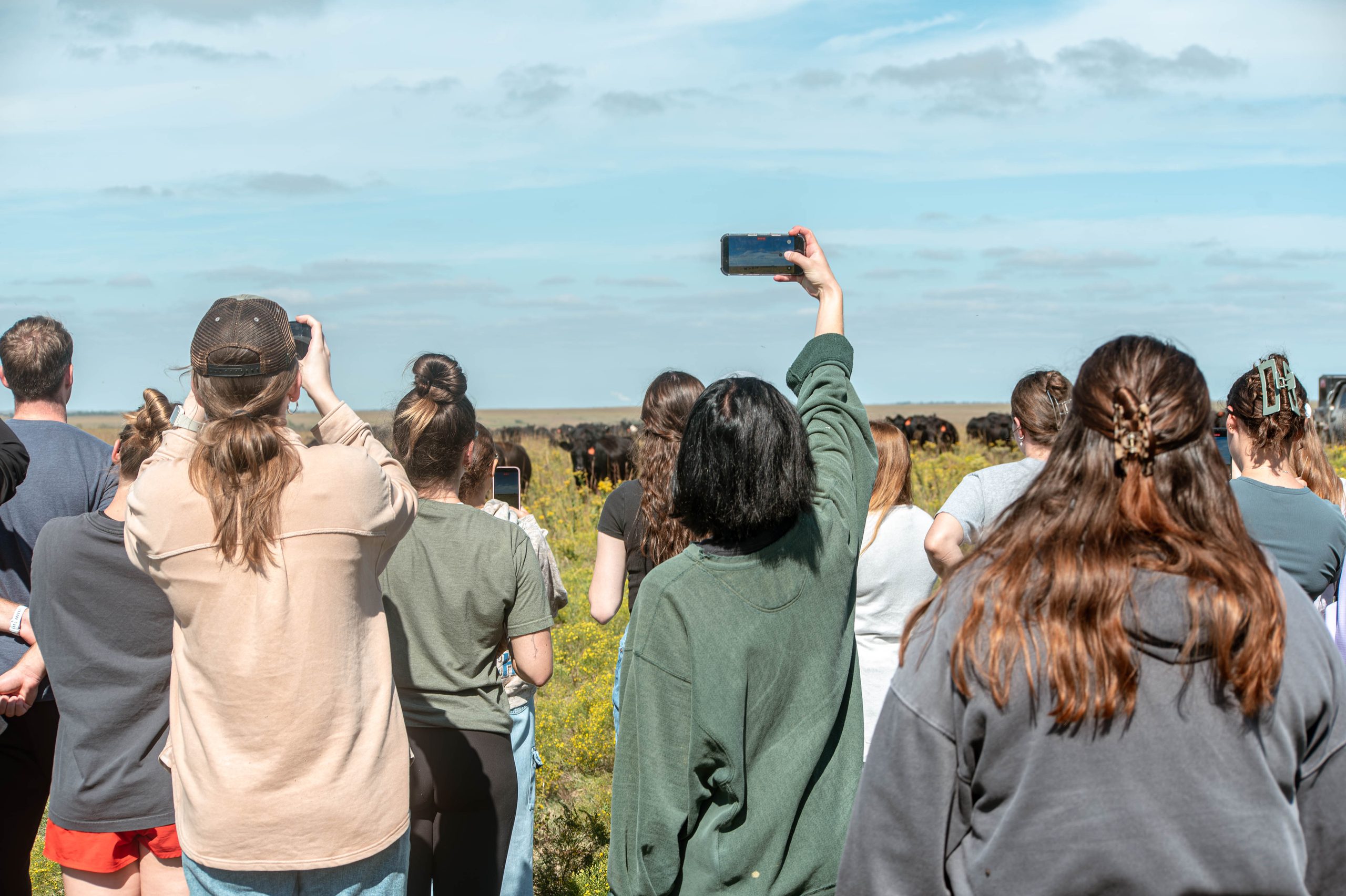
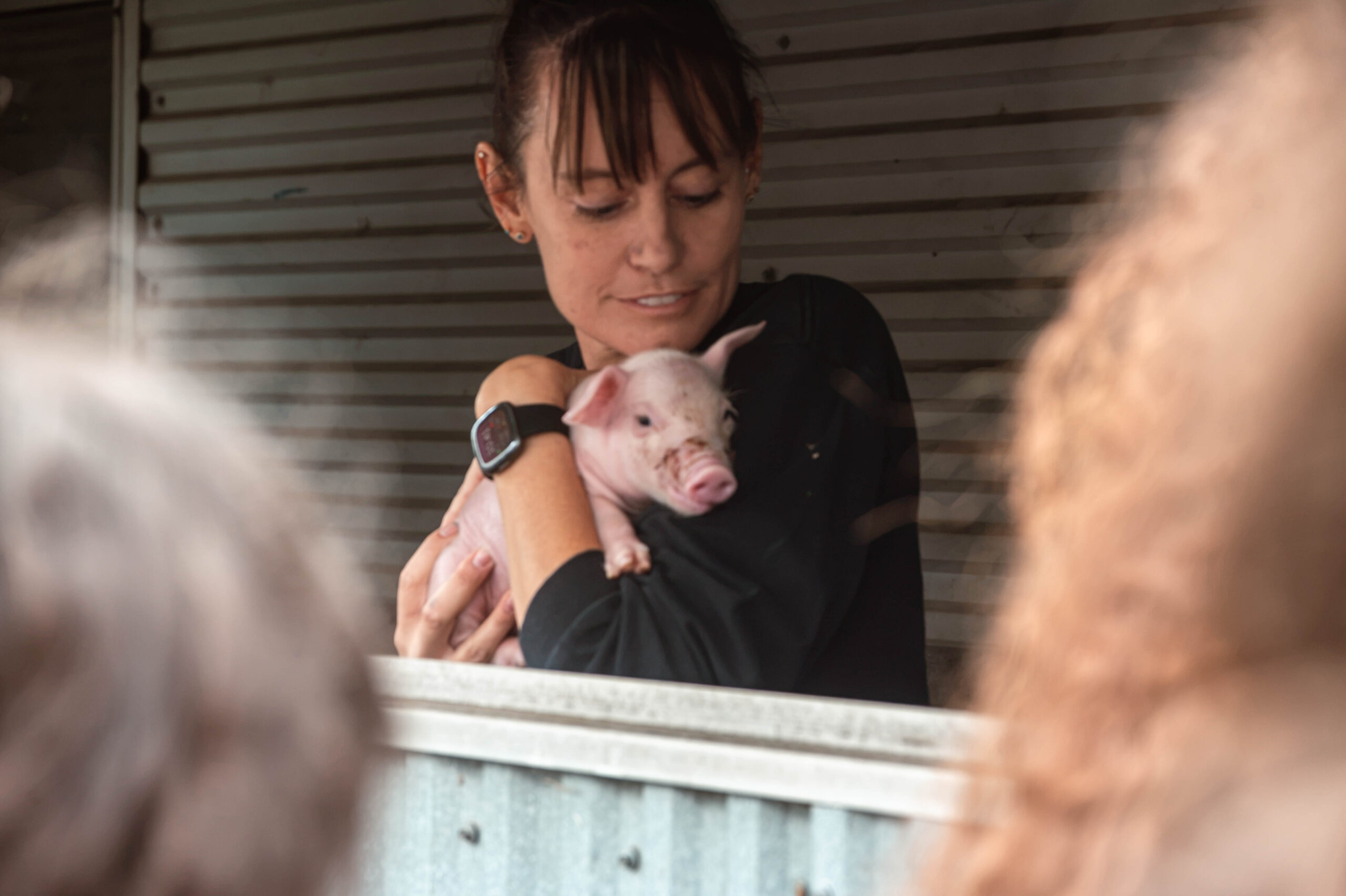
On this tour, students held piglets, cracked open bean pods, touched tractors and asked questions. Farmers addressed concerns about fertilizer, pesticide and antibiotic use and explained what sustainability means for their operation. They helped students understand the safeguards and processes in place for producing a safe, high-quality food supply.
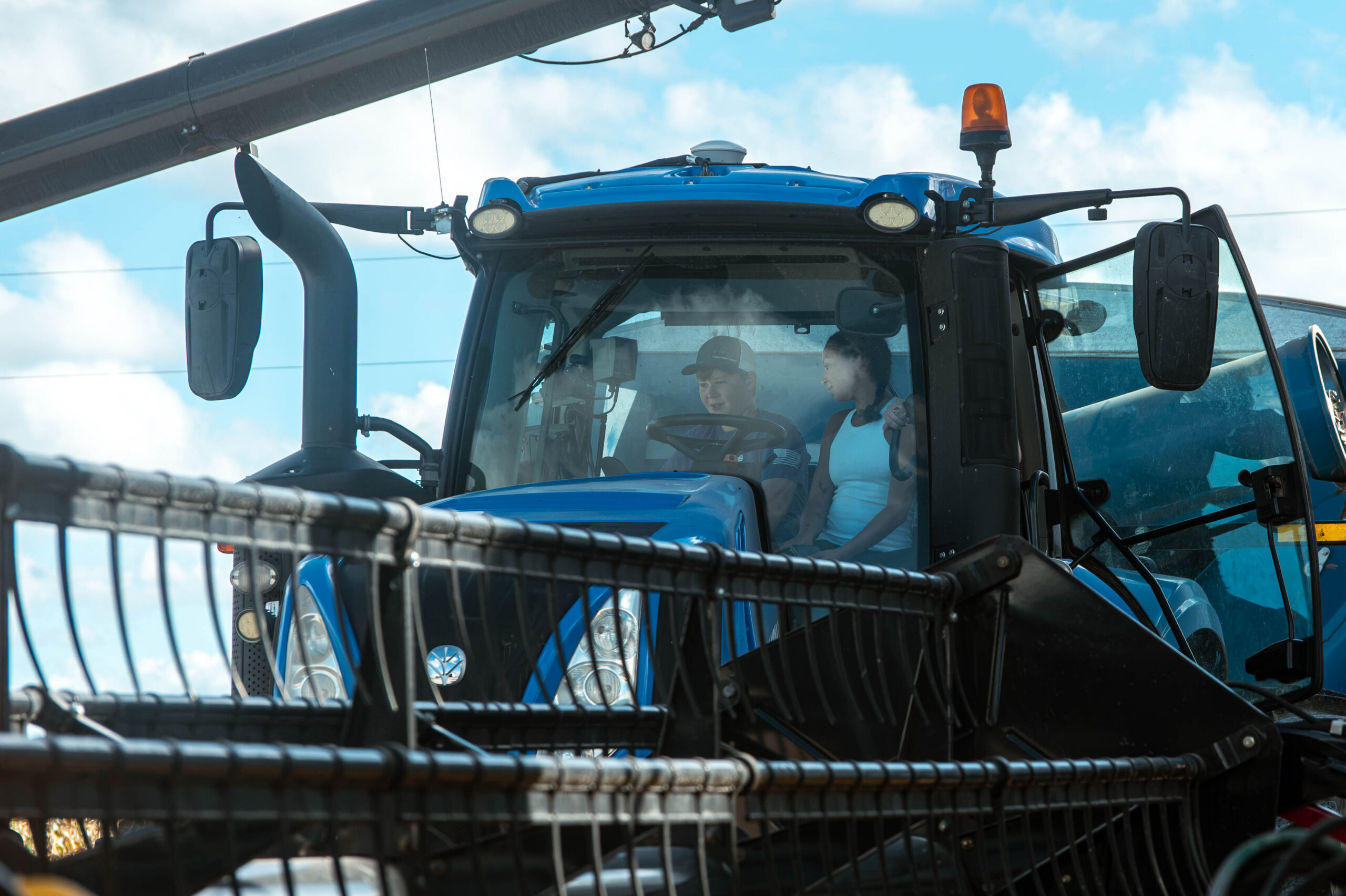
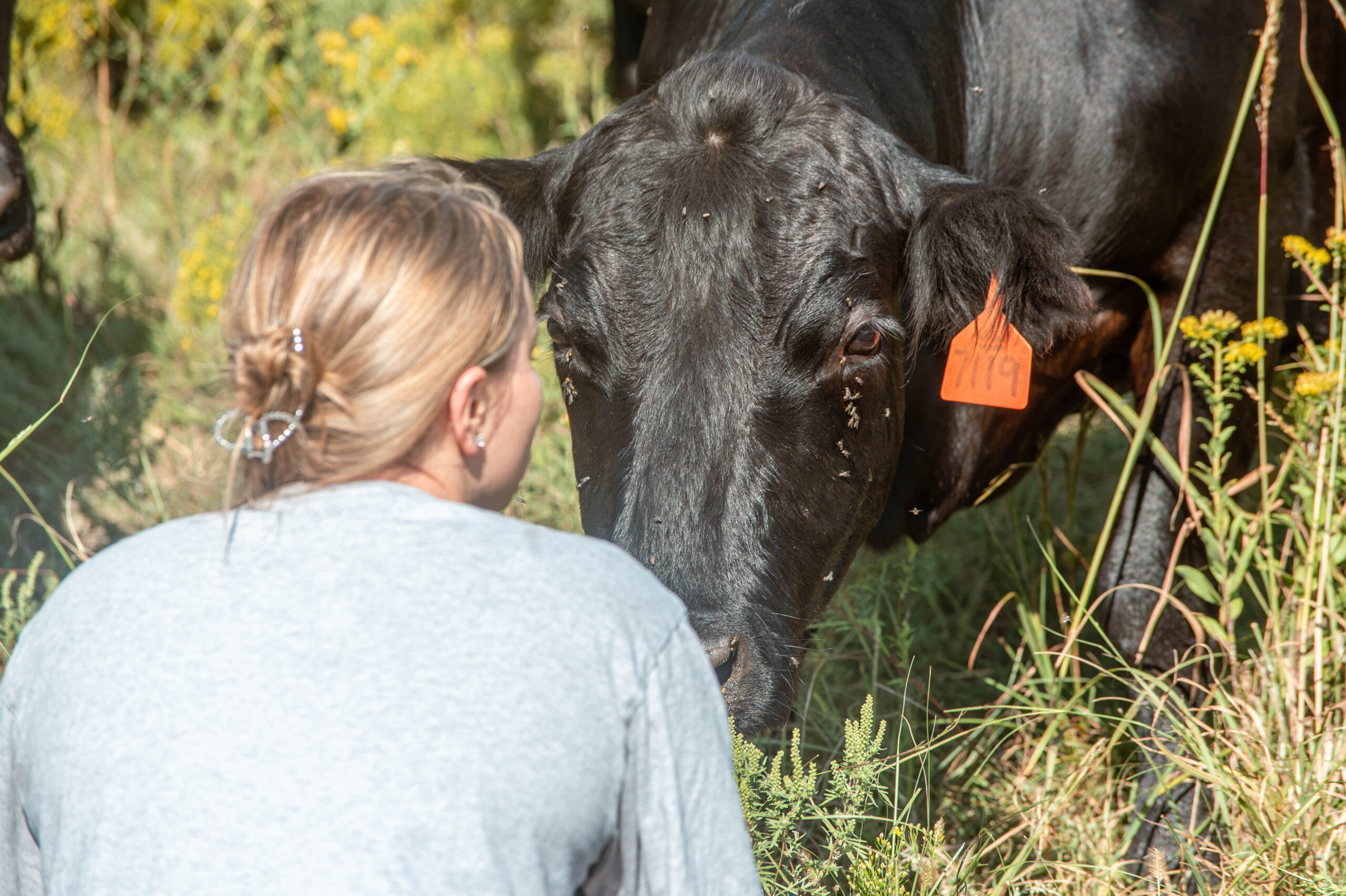
More than just information, the answers to these questions revealed values. Students saw firsthand what every farmer holds close to their hearts: love for the land, a deep sense of responsibility to the resources in their care, and hope that the next generation will carry it on.
“This was a judgment-free zone for all parties and for city-folk like myself to ask every question my heart desired,” Zach from KU says. “It was a rare opportunity to bridge one of the largest cultural divides our country faces: that of urban and rural living.”
The lasting impact of these tours was proved this year by an email received from a cardiology team in Kansas City. One of their interns had told them about her experience, and they wanted to experience it themselves.
“It makes you realize people are hungry for this information,” Hall says. “Food is personal. It’s how we celebrate and grieve; it impacts our health. People want to connect with farmers and how their food is raised, but it’s hard when you don’t come from that background.”
The six professionals on the cardiology team came in with more skepticism than the students, but a UTV ride to look at cattle melts even the stoniest heart. They were stunned by the technology in a combine and the detailed record-keeping that farming entails, whether spraying crops or treating livestock. They related this to how they chart for patients, and it wasn’t the only comparison they drew to the medical field.
“I now recognize that the use of pesticides and antibiotics is reserved for situations when the perceived benefit outweighs the risks — similar to decisions we have to make in medicine,” cardiologist Natalie says.
Participants’ takeaways from the tour revealed challenged assumptions and changed beliefs. Many noted their surprise at ranchers’ care for their animals and farmers’ care for the soil. They appreciated hearing the differences between organic and conventional farming and the purpose behind GMOs.
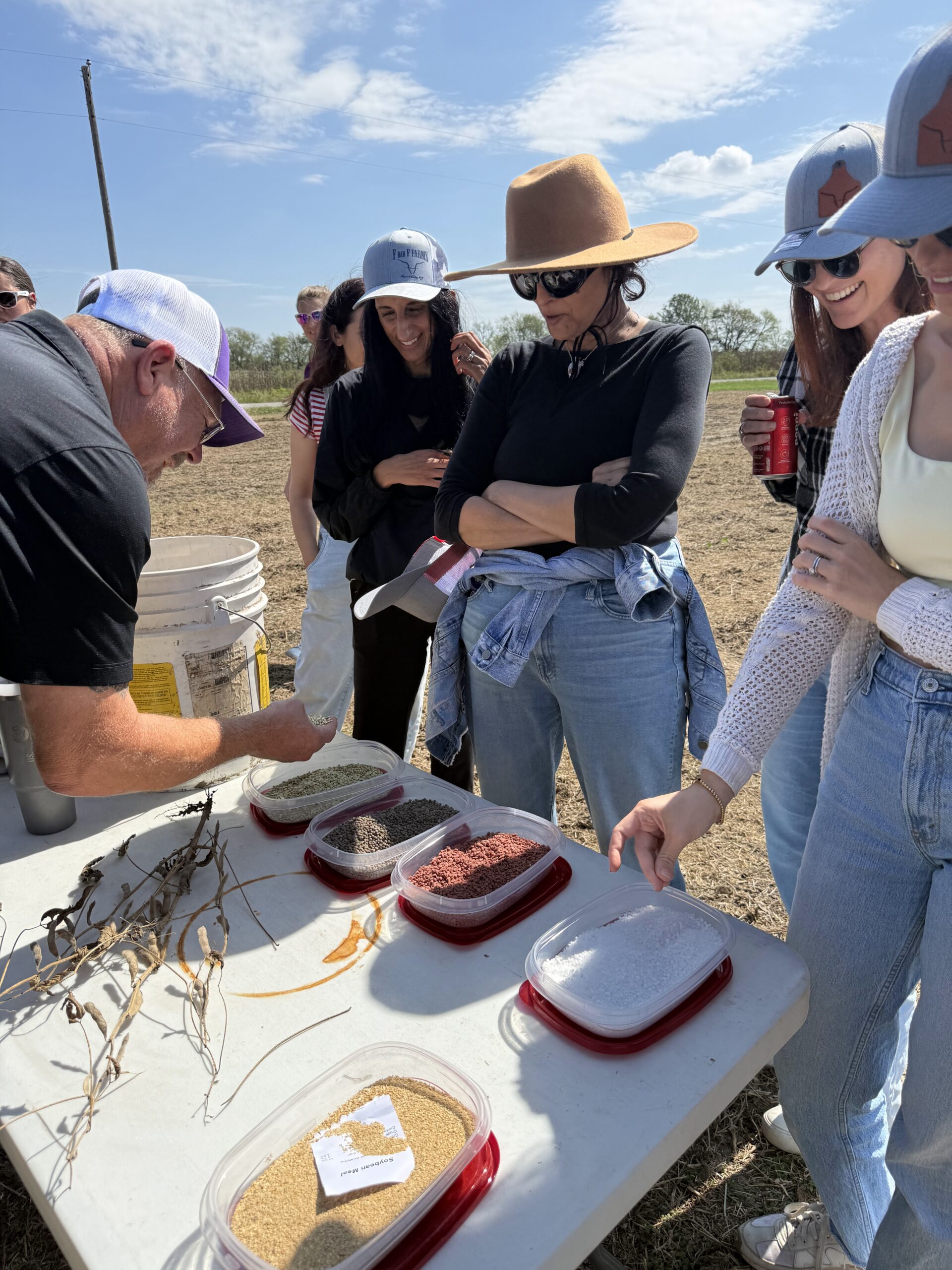
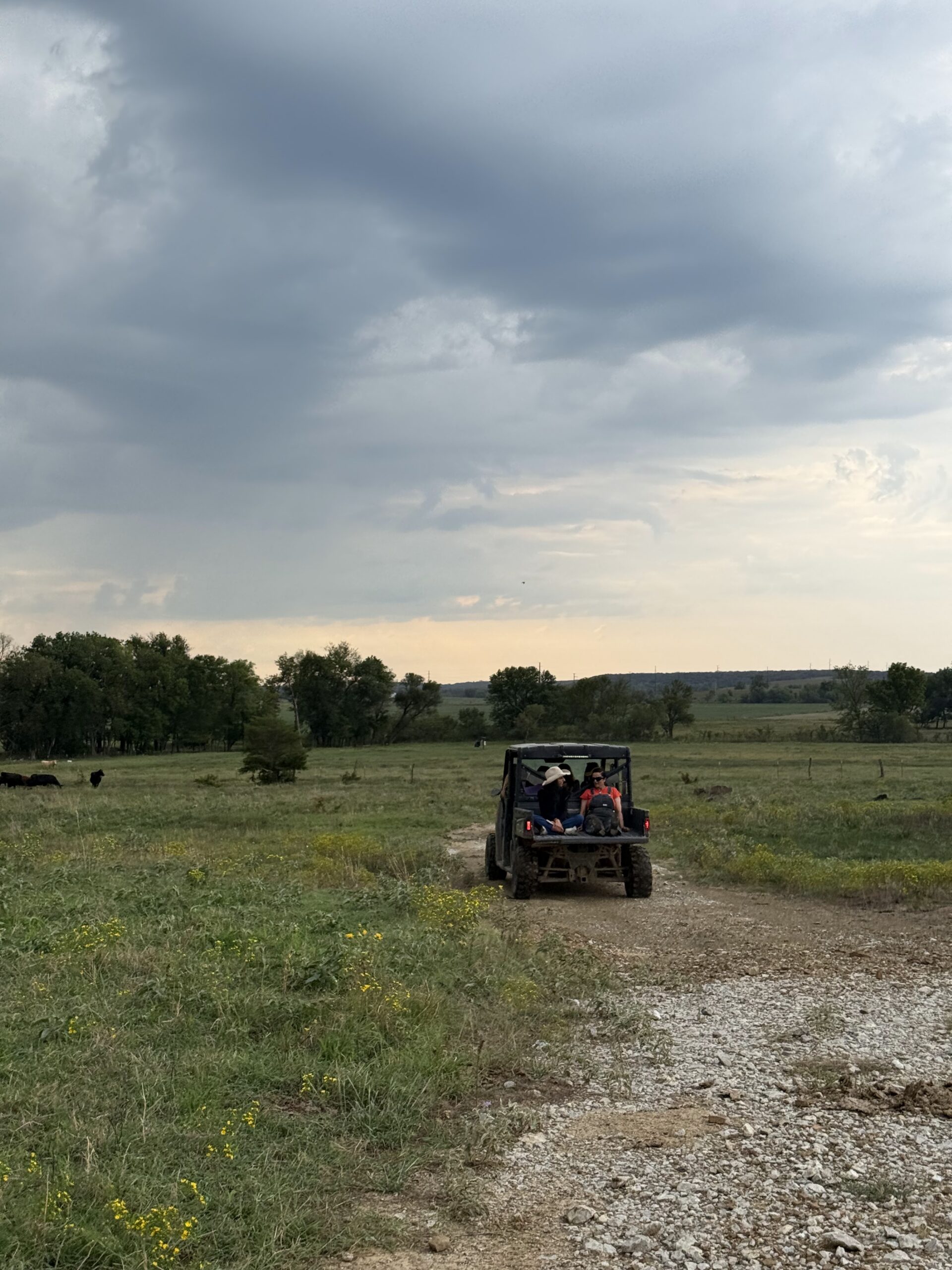
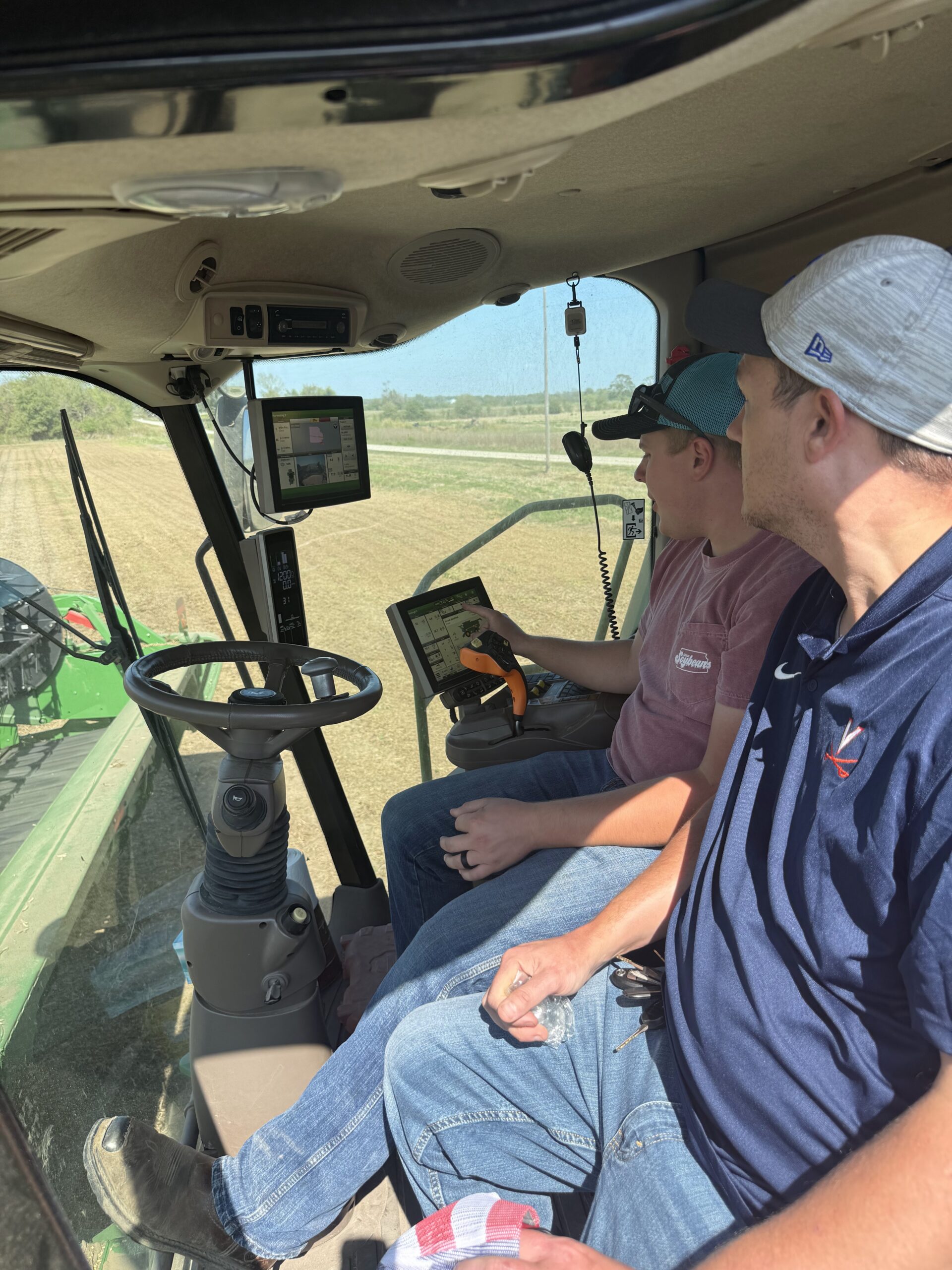
Through surveys taken before and after the tours, KSC was able to measure the impact on participants’ beliefs. For the students, chemicals like pesticides and fertilizers were a major concern. After the tour, students’ concern with chemical usage fell 42%.
“I was really interested in hearing about the use of pesticides and antibiotics,” Nicholas from K-State says. “I have thought negatively about these in the past without really being informed. Following this tour, I can confidently say that I have no concerns with the use of these products when used properly, and I can help educate people in the future.”
The next time these professionals talk about food production, they won’t think of chemicals or confined animals. They’ll think of 13-year-old Wesley who’s driven the grain cart since he was 9, and his dad glowing with pride as he talks about passing down the farm. They’ll think of how much Debbie loves her cows, even as she believes in raising them for food.
“People don’t go to cardiologists and dietitians for fun,” Hall says. “They go when they’re scared or there are issues. And even though food is something they can control, it’s surrounded by so much fear and misinformation. These professionals can go back and connect with their patients during maybe one of the hardest times in their lives and can give them confidence in our food system and what they’re feeding their kids.”