
Relationships key in long-term trade strategy
Kaleb Little reflects on trade mission to Japan and South Korea
Positive news is hard to come by when it comes to agriculture markets and trade right now, but the market development work of the soybean checkoff doesn’t stop.
We all know the elephant in the room is China. They are the largest buyer of soybeans in the world and typically take as much as half of the US soybean crop in a given year. They have bought no new-crop soybeans yet this year, and the markets show it.
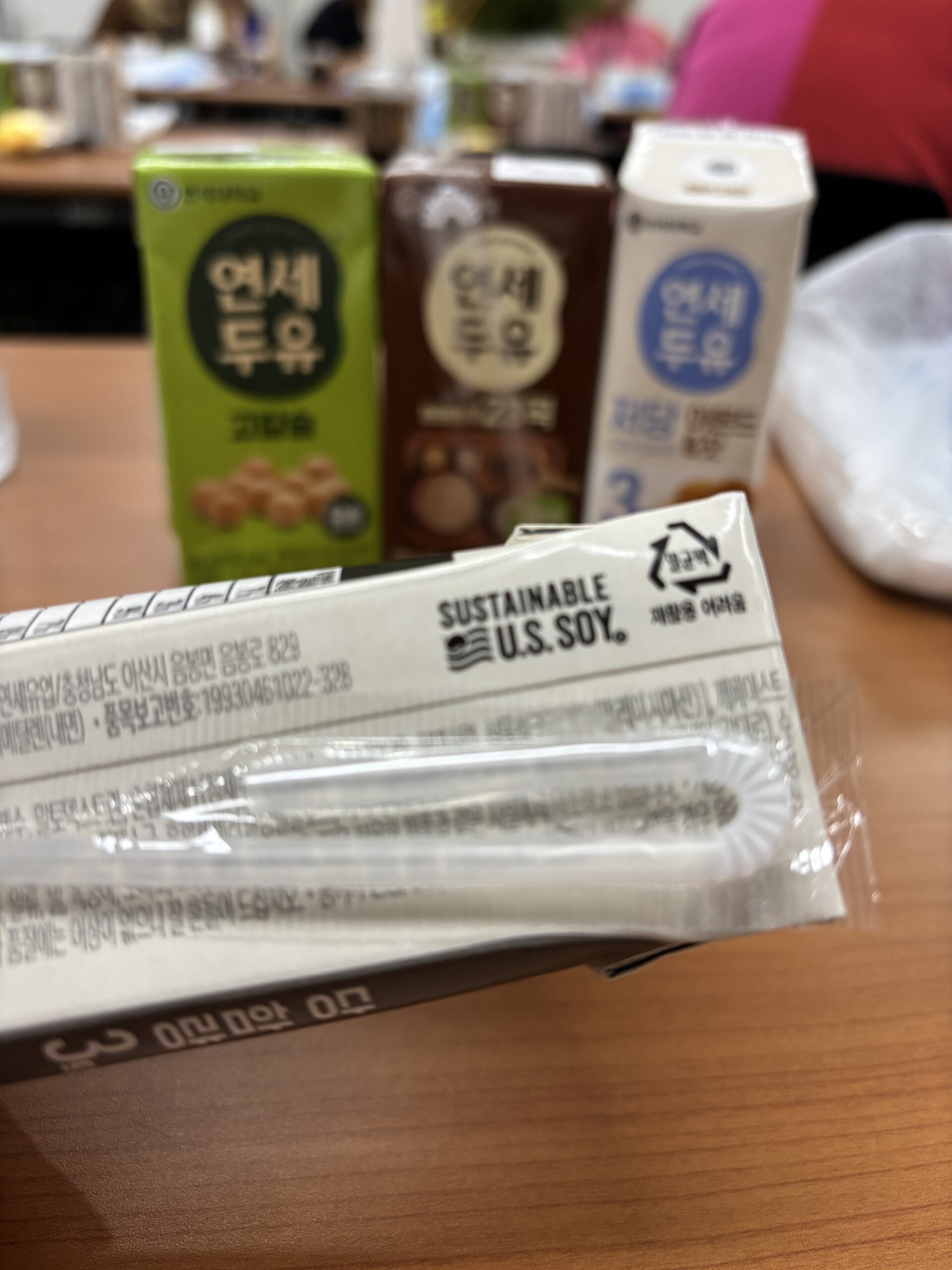
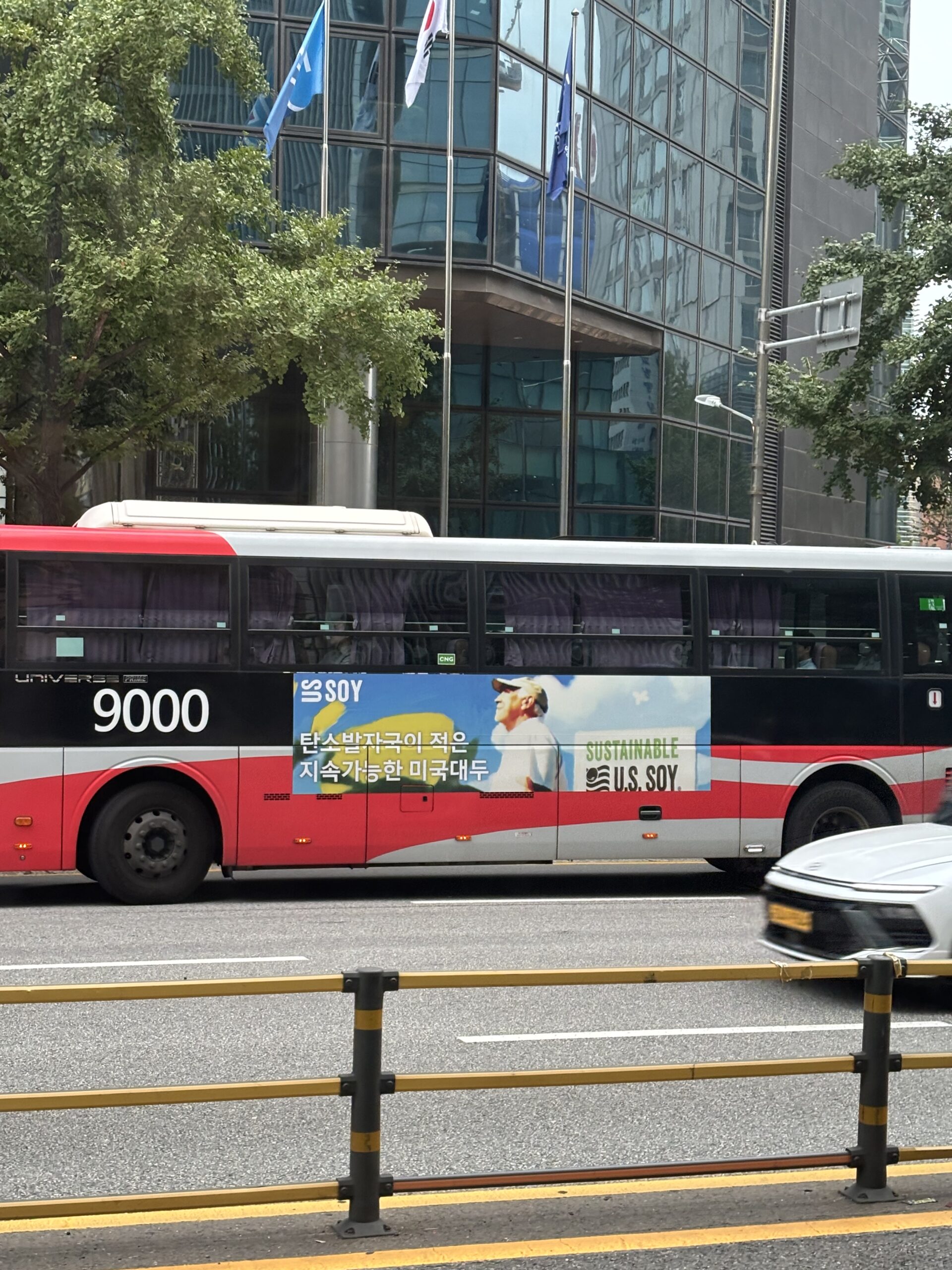
However, market development is about the long-term. That’s what a group of soybean farmers and staff from 12 Midwest states were doing in Korea and Japan last month: building on the longstanding relationships between US agriculture and two of our best ag trading partners.
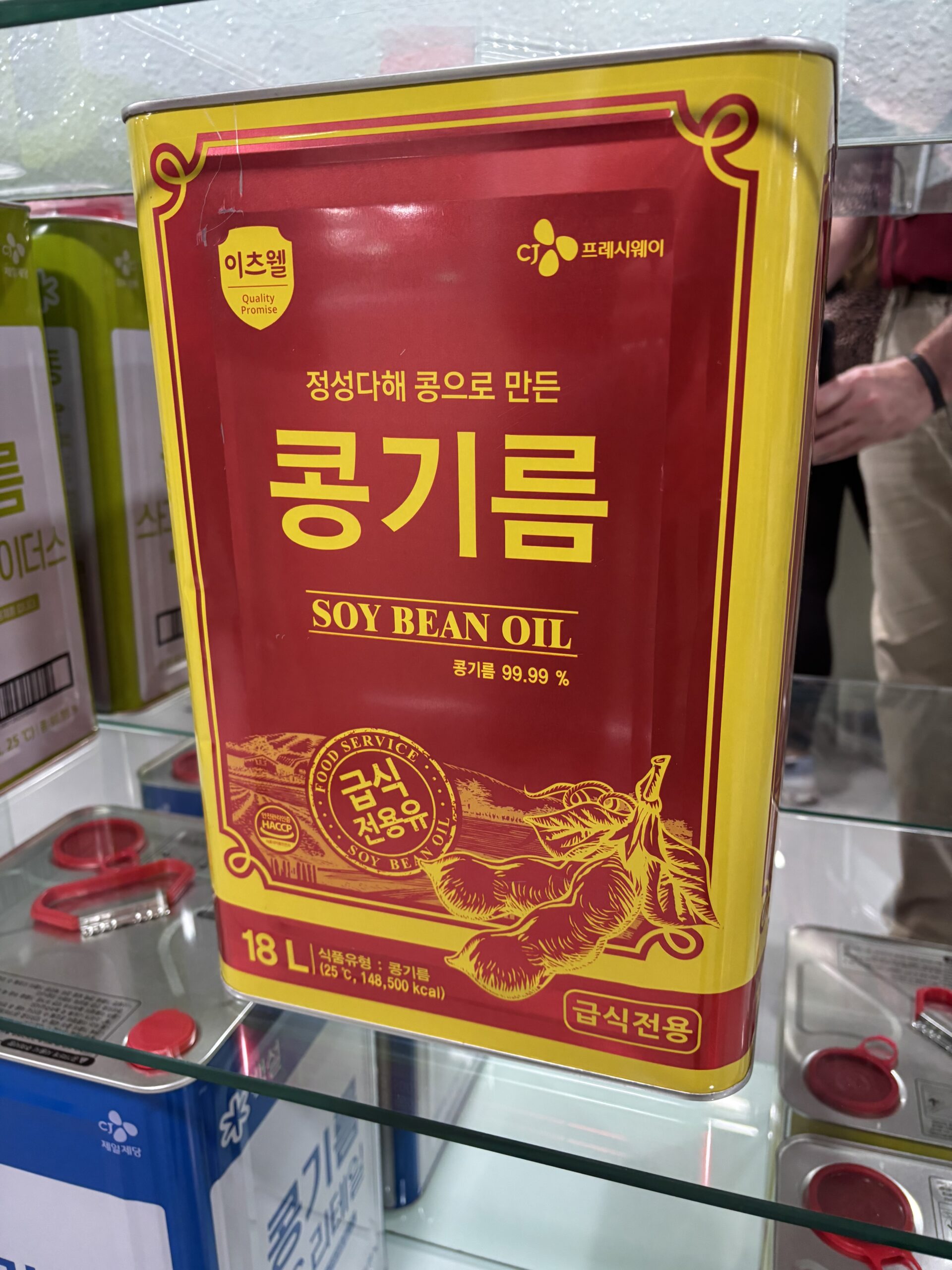
While there, we had meetings all along the supply chain, including: USDA Foreign Ag Service in both countries; Incheon Port in Seoul, which handles more than 3.5 million containers a year, shipping soy products in and out; one of the fourteen CJ Cheiljedang crush plants in Korea, which process US soybeans; Bookook Feed, who turns that soybean meal into value-added animal feed (90% of their ingredients are sourced internationally); Fuji Oil in Japan, a producer of cooking oils, as well as powdered and textured soy protein as an ingredient for food companies; and multiple other buyers, users, and end customers of US soybean growers.
While they have their own economic and societal challenges, they are a combined population of 170 million people who rely on the rest of the world for more than half of their food and food ingredients. They care very deeply about quality, sustainability, and the benefit to the greater good – all differentiators for US soy over our South American competition.
While farmers back home struggle with low commodity prices, high input costs, and a whole host of challenges heading into the harvest season, I’m proud of the role the Kansas Soybean Commission plays to differentiate and elevate US soy for the long-term on the world stage.
Kaleb Little, commission administrator and association CEO